Buy no1.be ?
We are moving the project
no1.be .
Are you interested in purchasing the domain
no1.be ?
domain@kv-gmbh.de · 0541-91531010
Buy no1.be ?
What is the difference between Past Perfect and Past Perfect Simple?
The Past Perfect and Past Perfect Simple are both verb tenses used to show an action that occurred before another action in the past. The Past Perfect Simple is used to emphasize the completion of an action before another action in the past, while the Past Perfect is used to show the duration of an action that was completed before another action in the past. In essence, the Past Perfect Simple focuses on the completion of an action, while the Past Perfect emphasizes the duration of the action. **
For the past: Simple past or present perfect?
The choice between simple past and present perfect depends on the specific context and the speaker's intention. Generally, the simple past is used to talk about a specific completed action or event that occurred at a definite time in the past. On the other hand, the present perfect is used to indicate a connection between the past and the present, emphasizing the relevance or impact of the past action on the present moment. So, if the focus is on a completed action with a specific time reference, simple past is more appropriate. If the focus is on the relevance of the past action to the present moment, present perfect is more suitable. **


Similar search terms for Past Perfect Had
Top-Angebote
Products related to Past Perfect Had:
-
BaByliss Perfect Finish AS126E brosse soufflanteBaByliss Perfect Finish AS126E, , Brosse soufflante chauffante pour femme, Dites adieu aux mains pleines et au jonglage entre le sèche-cheveux et la brosse ronde lorsque vous vous coifferez ! Il vous suffira désormais de vous munir d’un seul appareil : la brosse soufflante BaByliss Perfect Finish AS126E . Avec cet outil de coiffure pratique et polyvalent, qui combine les fonctions d’un sèche-cheveux, d’une brosse ronde, d’un fer à friser et d’un peigne, vous pourrez dorénavant vous coiffer dès le séchage de vos cheveux. Que vous souhaitiez une coiffure volumineuse, légèrement ondulée ou bouclée, ou encore garder vos cheveux naturellement raides, vous obtiendrez facilement et rapidement le résultat escompté. Et tout cela grâce à l’air chaud qui circule à travers ses orifices. En plus d’arborer un look impeccable digne d’un salon de coiffure, vous pourrez maintenant choisir votre style selon l’occasion qui se présente ou votre humeur du moment. Vous coiffer deviendra votre petit plaisir quotidien. Le produit : pour sécher les cheveux et leur donner forme offre une large gamme de possibilités en termes de coiffage produit idéal pour créer des ondulations fonction ionisante air frais pour fixer la coiffure possibilité de régler la température possibilité de régler la vitesse beaucoup d’accessoires Mode d’emploi : Répétez jusqu’à ce que vous obteniez la coiffure que vous souhaitez.42,63 €*Shipping: 3,45 €Secure redirect to the provider


-
What is the present (present tense), 1st past (simple past), 2nd past (present perfect), past perfect (pluperfect), and future (future tense)?
Present: I walk to school every day. 1st Past (Simple Past): Yesterday, I walked to school. 2nd Past (Present Perfect): I have walked to school many times. Past Perfect (Pluperfect): By the time I arrived, I had already walked to school. Future: Tomorrow, I will walk to school again. **
-
What is the present (present tense), 1st past (preterite), 2nd past (perfect), past perfect (pluperfect), and future (future)?
The present tense describes actions happening now or regularly. The 1st past, or preterite, describes actions that happened at a specific point in the past. The 2nd past, or perfect, describes actions that were completed in the past. The past perfect, or pluperfect, describes actions that were completed before another past action. The future tense describes actions that will happen in the future. **
-
What is the difference between Past Perfect and Past Progressive?
The Past Perfect tense is used to show that an action was completed before another action took place in the past. It is formed by using the auxiliary verb "had" followed by the past participle of the main verb. For example, "She had already finished her homework when her friends arrived." On the other hand, the Past Progressive tense is used to show that an action was ongoing or in progress at a specific point in the past. It is formed by using the past tense of the verb "to be" (was/were) followed by the present participle of the main verb. For example, "She was studying when her friends arrived." In summary, the Past Perfect tense is used to show the completion of an action before another action in the past, while the Past Progressive tense is used to show an ongoing action at a specific point in the past. **
-
What exercises are there for the Past Progressive and Past Perfect?
For the Past Progressive, exercises can include completing sentences with the correct form of the verb in the past progressive tense, or rewriting sentences in the past progressive tense. For the Past Perfect, exercises can involve filling in the blanks with the correct form of the verb in the past perfect tense, or creating sentences using the past perfect tense based on given prompts. Additionally, exercises can include identifying the correct tense to use in a given context, or creating a narrative using both past progressive and past perfect tenses. **

I urgently need help with using Simple Past or Past Perfect.
Simple Past is used to describe actions that happened at a specific point in the past, while Past Perfect is used to show that one action happened before another action in the past. If you are talking about two actions that happened in the past and you want to show which one happened first, you should use Past Perfect for the action that occurred first. It's important to pay attention to the sequence of events when deciding whether to use Simple Past or Past Perfect in your sentences. **
Can you please explain the Simple Past and the Past Perfect?
The Simple Past tense is used to describe actions that were completed in the past at a specific time or for a specific duration. It is formed by adding "-ed" to regular verbs or using the past form of irregular verbs. For example, "I walked to the store yesterday." The Past Perfect tense is used to show that one action happened before another action in the past. It is formed by using "had" followed by the past participle of the verb. For example, "She had already eaten dinner when I arrived." In this sentence, the action of eating dinner (Past Perfect) happened before the action of arriving (Simple Past). **
Top-Angebote
Products related to Past Perfect Had:
-
What is the difference between Past Perfect and Past Perfect Simple?
The Past Perfect and Past Perfect Simple are both verb tenses used to show an action that occurred before another action in the past. The Past Perfect Simple is used to emphasize the completion of an action before another action in the past, while the Past Perfect is used to show the duration of an action that was completed before another action in the past. In essence, the Past Perfect Simple focuses on the completion of an action, while the Past Perfect emphasizes the duration of the action. **
-
For the past: Simple past or present perfect?
The choice between simple past and present perfect depends on the specific context and the speaker's intention. Generally, the simple past is used to talk about a specific completed action or event that occurred at a definite time in the past. On the other hand, the present perfect is used to indicate a connection between the past and the present, emphasizing the relevance or impact of the past action on the present moment. So, if the focus is on a completed action with a specific time reference, simple past is more appropriate. If the focus is on the relevance of the past action to the present moment, present perfect is more suitable. **
-
What is the present (present tense), 1st past (simple past), 2nd past (present perfect), past perfect (pluperfect), and future (future tense)?
Present: I walk to school every day. 1st Past (Simple Past): Yesterday, I walked to school. 2nd Past (Present Perfect): I have walked to school many times. Past Perfect (Pluperfect): By the time I arrived, I had already walked to school. Future: Tomorrow, I will walk to school again. **
-
What is the present (present tense), 1st past (preterite), 2nd past (perfect), past perfect (pluperfect), and future (future)?
The present tense describes actions happening now or regularly. The 1st past, or preterite, describes actions that happened at a specific point in the past. The 2nd past, or perfect, describes actions that were completed in the past. The past perfect, or pluperfect, describes actions that were completed before another past action. The future tense describes actions that will happen in the future. **
Similar search terms for Past Perfect Had
-
BaByliss Perfect Finish AS126E brosse soufflanteBaByliss Perfect Finish AS126E, , Brosse soufflante chauffante pour femme, Dites adieu aux mains pleines et au jonglage entre le sèche-cheveux et la brosse ronde lorsque vous vous coifferez ! Il vous suffira désormais de vous munir d’un seul appareil : la brosse soufflante BaByliss Perfect Finish AS126E . Avec cet outil de coiffure pratique et polyvalent, qui combine les fonctions d’un sèche-cheveux, d’une brosse ronde, d’un fer à friser et d’un peigne, vous pourrez dorénavant vous coiffer dès le séchage de vos cheveux. Que vous souhaitiez une coiffure volumineuse, légèrement ondulée ou bouclée, ou encore garder vos cheveux naturellement raides, vous obtiendrez facilement et rapidement le résultat escompté. Et tout cela grâce à l’air chaud qui circule à travers ses orifices. En plus d’arborer un look impeccable digne d’un salon de coiffure, vous pourrez maintenant choisir votre style selon l’occasion qui se présente ou votre humeur du moment. Vous coiffer deviendra votre petit plaisir quotidien. Le produit : pour sécher les cheveux et leur donner forme offre une large gamme de possibilités en termes de coiffage produit idéal pour créer des ondulations fonction ionisante air frais pour fixer la coiffure possibilité de régler la température possibilité de régler la vitesse beaucoup d’accessoires Mode d’emploi : Répétez jusqu’à ce que vous obteniez la coiffure que vous souhaitez.42,63 €*Shipping: 3,45 €Secure redirect to the provider
-
Perfect Fit Poire de lavement IMPULSERemplissez la Poire de lavement IMPULSE d’eau tiède et laissez la préparation devenir un geste naturel. Simple et précis. Ce petit accessoire intime séduit par sa praticité, son toucher doux et sa discrétion. Il s’adresse à celles et ceux qui aiment se sentir prêts pour des moments de plaisir en29,90 €*Shipping: 0,00 €Secure redirect to the provider
-
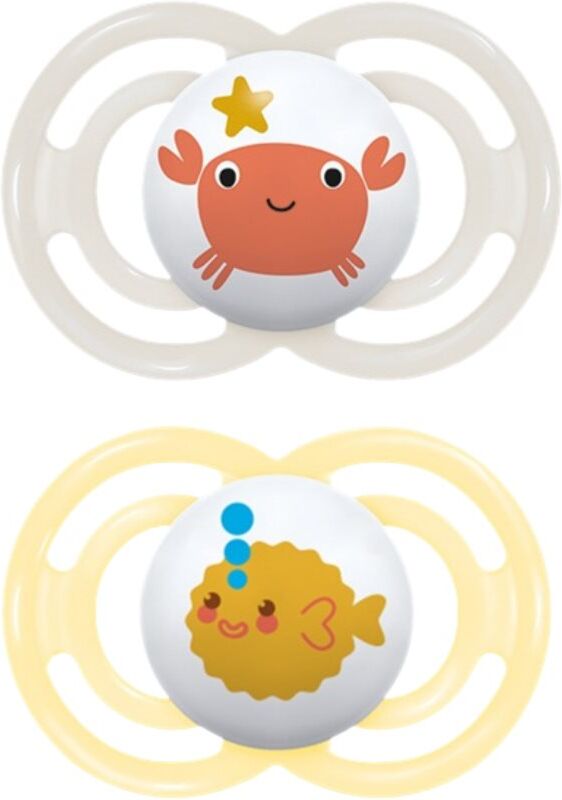
MAM Perfect 6m+ tétine 2 pcsMAM Perfect 6m+, 2 pcs, Tétines pour enfant, Optez pour un moyen d'apaiser votre bébé largement testé et approuvé. La tétine MAM Perfect 6m+ procure instantanément à votre bébé un sentiment de sécurité. Elle deviendra rapidement un accessoire pratique et utile au quotidien. Le produit : favorise le bon développement des gencives et des dents s'adapte à la forme du palais de l'enfant bonne aération tétine fine permet au bébé de respirer par le nez et d’avaler sa salive emballé dans un manchon de stérilisation l'anneau de la tétine brille dans le noir facile à attacher au clip Composition du produit : silicone Mode d’emploi : Choisissez toujours une tétine dont la taille est adaptée à l’âge de votre bébé.9,35 €*Shipping: 3,45 €Secure redirect to the provider
-
What is the difference between Past Perfect and Past Progressive?
The Past Perfect tense is used to show that an action was completed before another action took place in the past. It is formed by using the auxiliary verb "had" followed by the past participle of the main verb. For example, "She had already finished her homework when her friends arrived." On the other hand, the Past Progressive tense is used to show that an action was ongoing or in progress at a specific point in the past. It is formed by using the past tense of the verb "to be" (was/were) followed by the present participle of the main verb. For example, "She was studying when her friends arrived." In summary, the Past Perfect tense is used to show the completion of an action before another action in the past, while the Past Progressive tense is used to show an ongoing action at a specific point in the past. **
-
What exercises are there for the Past Progressive and Past Perfect?
For the Past Progressive, exercises can include completing sentences with the correct form of the verb in the past progressive tense, or rewriting sentences in the past progressive tense. For the Past Perfect, exercises can involve filling in the blanks with the correct form of the verb in the past perfect tense, or creating sentences using the past perfect tense based on given prompts. Additionally, exercises can include identifying the correct tense to use in a given context, or creating a narrative using both past progressive and past perfect tenses. **
-
I urgently need help with using Simple Past or Past Perfect.
Simple Past is used to describe actions that happened at a specific point in the past, while Past Perfect is used to show that one action happened before another action in the past. If you are talking about two actions that happened in the past and you want to show which one happened first, you should use Past Perfect for the action that occurred first. It's important to pay attention to the sequence of events when deciding whether to use Simple Past or Past Perfect in your sentences. **
-
Can you please explain the Simple Past and the Past Perfect?
The Simple Past tense is used to describe actions that were completed in the past at a specific time or for a specific duration. It is formed by adding "-ed" to regular verbs or using the past form of irregular verbs. For example, "I walked to the store yesterday." The Past Perfect tense is used to show that one action happened before another action in the past. It is formed by using "had" followed by the past participle of the verb. For example, "She had already eaten dinner when I arrived." In this sentence, the action of eating dinner (Past Perfect) happened before the action of arriving (Simple Past). **
* All prices are inclusive of VAT and, if applicable, plus shipping costs. The offer information is based on the details provided by the respective shop and is updated through automated processes. Real-time updates do not occur, so deviations can occur in individual cases. ** Note: Parts of this content were created by AI.